 Field & Flame Kitchen
How to Cook Venison Without Drying It Out
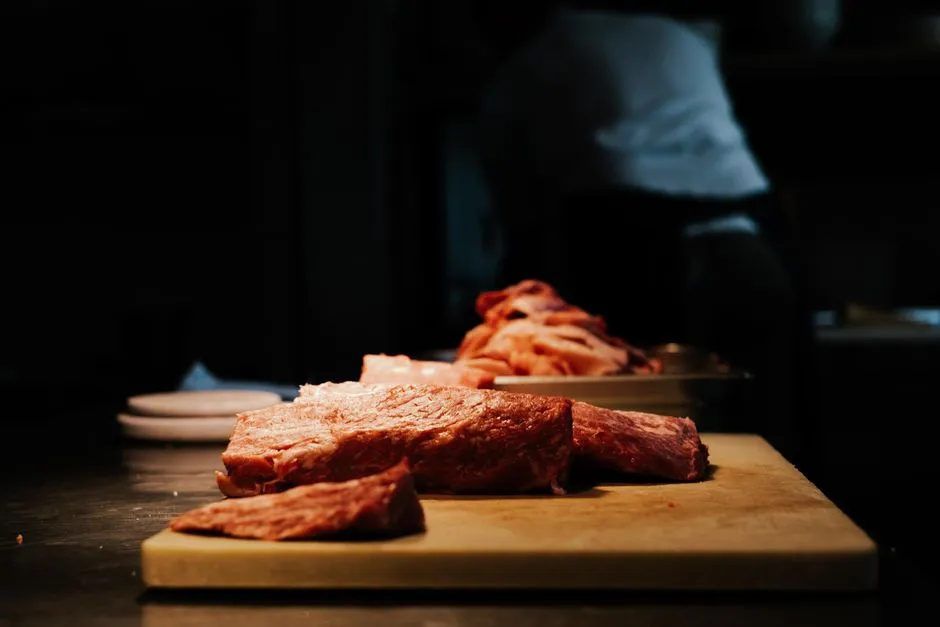
Start by identifying the species, source, and cut
Venison is often lean, with less intramuscular fat to buffer it during extended high heat, so tender cuts can pass from juicy to dry quickly. It is also not one standardized ingredient. Deer and related game vary by species, age, diet, cut, field handling, processing, and whether fat was added during grinding. Tender loin does not want the same treatment as shoulder; ground meat does not share the safety endpoint of an intact cut.
Before technique, confirm lawful source and handling history. For hunted deer or elk, follow current state or provincial wildlife and public-health advice, including chronic wasting disease testing recommendations. Do not cook meat from an animal that appeared sick, was found dead, or tested positive for CWD.
Keep cold meat cold and avoid cross-contamination
Thaw frozen venison in the refrigerator or by another currently approved safe method, never unattended on the counter. Place it in a container that prevents drips. Use separate boards and utensils for raw meat and ready-to-eat ingredients, then clean and sanitize food-contact surfaces appropriately.
Do not rinse raw meat in the sink; splashing spreads contamination. Pat a whole cut dry with disposable towels if the cooking method needs a dry surface, then discard them and wash hands.
Hunted wild game is not automatically equivalent to inspected retail meat. When processing or temperature history is uncertain, consult a qualified local authority or processor. Marinade cannot correct unsafe handling, spoilage, or disease risk.
Cook tender whole-muscle cuts briefly
Backstrap, loin, and other tender intact muscles generally suit quick dry heat: a hot pan, grill, or oven finish. Trim silver skin because it remains chewy. Salt the surface deliberately and use a small amount of high-heat cooking fat when the cut is very lean.
Sear without repeatedly moving the meat, then lower the heat or move the cut to indirect heat as needed. Measure the thickest center with an instant-read thermometer, avoiding bone and large seams. Safe endpoints depend on the species, cut, source, jurisdiction, and current applicable guidance; verify them before cooking. The federal safe-temperature chart does not supply one universal endpoint for every wild venison cut, while state, provincial, wildlife, and processor guidance may be more specific. Ground meat is different and should reach at least 160°F (71.1°C).
Rest whole cuts briefly, then slice across the grain. Resting reduces immediate juice loss, while cross-grain slicing shortens the fibers encountered in each bite. Neither step can rescue a cut cooked far past its intended endpoint, but both help a properly cooked one.
Braise connective cuts instead of fighting them
Shoulder, neck, shank, and similar working cuts contain connective tissue that benefits from a covered moist cook. Brown pieces for flavor, add measured liquid and aromatics, then maintain the recipe's safe simmer until a clean probe slides in with little resistance.
Tenderness may take hours, not minutes. Add liquid only as needed to maintain the braise; drowning the pot dilutes flavor, while letting it dry risks scorching. A slow cooker can work when the appliance instructions, fill level, and food-safety process are followed.
The clock estimates. Probe resistance tells you whether connective tissue has softened. This is one of the few kitchen negotiations improved by waiting.
Give ground venison a cooking medium
Ground venison may contain little added fat. A measured spoonful of oil can improve browning and prevent sticking in chili, tacos, or sauces. For patties or meatballs, a tested recipe may add egg, suitable fat, or another binder, but ingredients and allergens change with the formula.
Do not intentionally undercook ground game to preserve moisture. Use a thermometer and reach at least 160°F (71.1°C). Moisture should come from the recipe—oil, vegetables, sauce, and controlled timing—not from stopping before a safe endpoint.
Our ground venison chili demonstrates that approach: brown safely, then simmer briefly in tomatoes and stock. The game techniques collection matches method to cut instead of prescribing one universal temperature and timer.
Use marinades for flavor, not repair
Oil, herbs, spices, cultured dairy, wine, or acid can season the surface depending on the recipe. Acidic marinades used too long can make the exterior soft without tenderizing the center. Always marinate under refrigeration and discard raw-meat marinade unless a validated method calls for safe cooking before reuse.
Strong flavor is not automatically spoilage, but off odor, damaged packaging, uncertain storage, disease concern, or poor processing cannot be repaired with seasoning. When the safety history fails, dinner planning begins with something else.
Match moisture and time to the cut
For a tender intact cut, avoid prolonged heat: dry the surface, sear, move to gentler heat if needed, verify the applicable safe endpoint, rest, and slice across the grain. For shoulder, neck, or shank, use a covered braise and continue until connective tissue softens. For ground venison, provide measured oil or sauce while still reaching at least 160°F (71.1°C).
That is the practical answer to dryness. Fat, marinade, and sauce can contribute flavor and moisture, but none replaces cut identification, a suitable cooking method, a thermometer, or sound source handling. Keep the safety endpoint fixed by the applicable guidance and adjust the route—heat intensity, cooking medium, and duration—rather than stopping early because the meat looks lean.
Frequently asked questions
Why does venison dry out so quickly?
Venison is often lean, so it has less internal fat buffering it from extended high heat. Small or thin cuts also move through doneness quickly. Species, animal age, cut, processing, and any added fat all matter. Use an instant-read thermometer, choose a cut-appropriate method, and stop cooking at a verified safe endpoint rather than waiting for a beef-like appearance.
Should venison be soaked in milk or salt water?
Soaking is optional and not a safety step. It may alter surface flavor or draw out some blood-like purge, but it cannot correct poor handling, spoilage, disease risk, or damaged meat. If using a marinade or soak, keep it refrigerated, discard liquid that touched raw meat, and avoid letting acid turn the exterior soft while the interior remains unchanged.
Which venison cuts should be braised?
Shoulder, neck, shank, and other hard-working cuts with substantial connective tissue are generally better candidates for a covered, moist, longer cook than for a quick sear. Exact anatomy and butchery vary. Bring the braise to a safe cooking temperature, keep it simmering as the recipe directs, and cook until a clean probe meets little resistance.
Can I eat venison rare?
Safety depends on species, cut, source, handling, and current local public-health guidance. Ground venison should reach at least 160°F (71.1°C). Do not use color to judge. Hunted game may carry additional risks and is not equivalent to inspected retail meat. People at higher risk of foodborne illness should seek qualified medical guidance and avoid undercooked game.
Does cooking destroy chronic wasting disease prions?
Ordinary cooking is not a control for chronic wasting disease. Check current wildlife and health guidance for the harvest area, strongly consider testing where advised, and do not eat an animal that tests positive. Do not handle or consume an animal that appears sick or was found dead. Keep each animal identifiable through processing when testing results matter.